


In a quiet village in Okinawa, Japan, a group of elderly women gather every week under the shade of a banyan tree. They laugh, share food, offer advice, and lend emotional support. This group is part of a “moai” — a lifelong social network that begins in childhood and extends into old age. For decades, these moai have been a cornerstone of Okinawan life.
It also happens that Okinawa is one of the few spots in the world that consistently sees centenarians — that is, its residents often live to 100 years old and beyond.
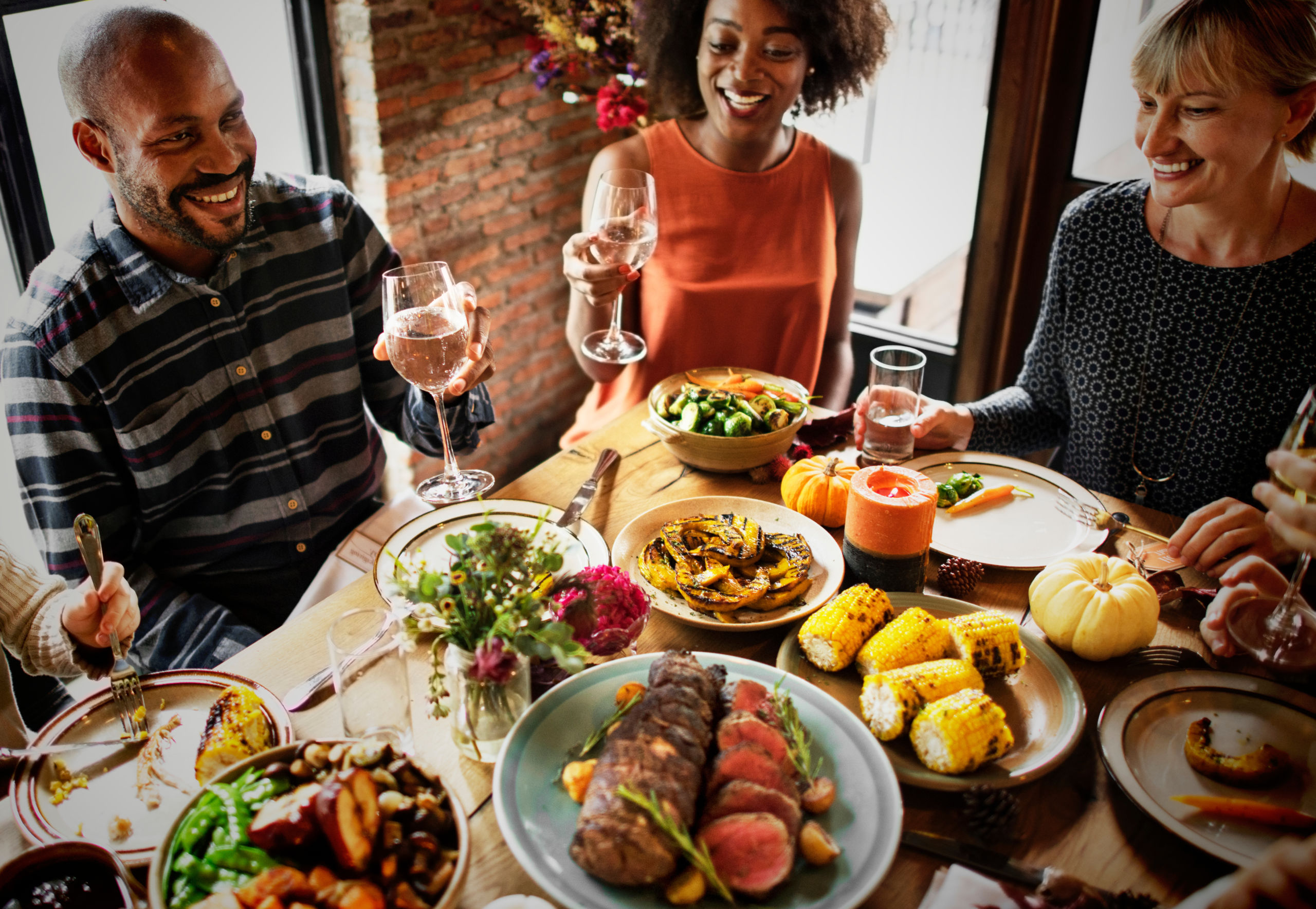
They’re not the only ones. Life in Sardinia, Italy, emphasizes regular group meals and gatherings in the village. The town of Nicoya in Costa Rica sees many multigenerational households and neighborhood networks that lean on one another when they need support. Residents of Ikara, Greece, the “island where people forget to die,” enjoy frequent festivals and public celebrations.
These regions, known as “Blue Zones,” house the highest numbers of centenarians on Earth.
This is no coincidence. The commitment to community and mutual care in areas like Okinawa, Sardinia, Nicoya, and Ikara offers a powerful lesson: deep, consistent social connection isn’t just comforting — it’s life-extending.
When we think about living longer, we often focus on diet, exercise, and sleep. These are crucial to our health, yes, but there’s another, equally vital factor that often goes unnoticed: our social connections. Research consistently shows that meaningful relationships and a sense of community are powerful predictors of a longer, healthier life.
The Science Behind Social Connection and Longevity
Studies have found that strong social ties can increase longevity by up to 50%.
Conversely, loneliness and social isolation are linked to higher risks of heart disease, Type 2 diabetes, depression, and cognitive decline.
The mechanisms are both psychological and physiological. Positive social interactions release dopamine, promoting feelings of happiness and encouraging further social engagement. Social support can buffer stress, reduce inflammation, and strengthen the immune system.
It even gets down to the cellular level. Chronic loneliness, caregiving burden, or social isolation has been shown to accelerate the shortening of telomeres — the protective caps at the ends of chromosomes — a process associated with aging. Thus, strong social support and positive social environments may have a protective effect, slowing the aging process.
Another way in which the Blue Zone centenarians stand out is in their DNA methylation. This process is normal with aging, but the elderly Nicoyans, for example, seem to have methylation patterns that reflect those of younger individuals.
With community at the center of their culture, it’s clear that social connection can have an impact on longevity.
So as we focus on cleaning up our diets, incorporating more movement, managing our stress, and improving our sleep quality, let’s remember to make time with our loved ones as a part of this anti-aging effort.
5 Simple Ways to Foster Social Connections This Week
Building and maintaining relationships requires intentional effort. This week, we’d like to challenge you to find at least five ways to engage with your community or deepen your social connection.
Here are some ideas:
- Schedule Connection Time: Life is busy, and it can be easy to lose track of catch-ups, especially with friends and family you don’t see often. Mark your calendar to call or meet up with a specific friend, relative, or colleague. Even a 15-minute chat can go a long way.
- Engage in Community Activities: Join a local fitness class, attend a neighborhood event, or volunteer for a cause you care about. A shared purpose or goal is one of the strongest forces that draws people together.
- Take the First Step: If you’ve been feeling isolated, be the initiator. Text someone you trust or set up a coffee date with a friend. Relationships go both ways, and your initiation could not only benefit you, but also show the other person that you care and value them.
- Practice Active Listening: Show genuine interest in others’ lives, which can deepen existing relationships. Ask follow-up questions, give the other person your full and undivided attention, and recognize their emotional state and body language as you engage with them.
- Give Genuine Compliments: One of the best ways to help others feel seen and to foster connections is to give genuine compliments. “Oftentimes, we silently recognize things we appreciate or admire about people, but it can be vulnerable to give voice to that,” says nurse practitioner Sarah Bird. “Acknowledging someone’s strengths can both empower you and also make the other person aware of something they may not have known about themselves.”
- Get to Know Your Parents: It’s easy to default to seeing your parents as just that — your parents. But they are individual human beings with a life and perspective of their own, and getting to know them as people, rather than as your parents, can deepen your relationships immensely.
“Psychologically, there has to be a shift from seeing our parents as static roles, like ‘Mom’ and ‘Dad,’ to dynamic, evolving individuals,” says Dr. Nigel Lester, psychiatrist at PALM Health. Check out this article with Dr. Lester for a list of interesting questions to ask your parents to know them better: How to Connect With Your Parents as People.
Longevity is multifaceted. We may have the healthiest diet, the most robust exercise routine, and eight hours of sleep per night, but if we lack meaningful connections, our longevity plan is incomplete.
As the philosopher Aristotle aptly said, “Man is by nature a social animal.” So as you tend to your health, don’t forget to honor your human nature: call a friend, listen genuinely, be out in the world when you can, and love freely.
Stay ahead. Restore vitality. Live better, longer at PALM.
We are a premiere longevity club offering concierge functional medicine, regenerative therapies, and personalized lifestyle support. With our elevated and proactive primary care, you can take the most advanced approach to optimizing your health for the current and future you.
Like what you’re reading? Stay connected with us.
Want to stay up to date on all things health and wellness? Subscribe to our mailing list to receive educational content about the latest topics in health, tips on living well from our experts, updates on events, and special offers.